
Popular Foundation Stabilization Products For Home Improvement
Identify essential products that help reinforce and repair your foundation with confidence and ease.
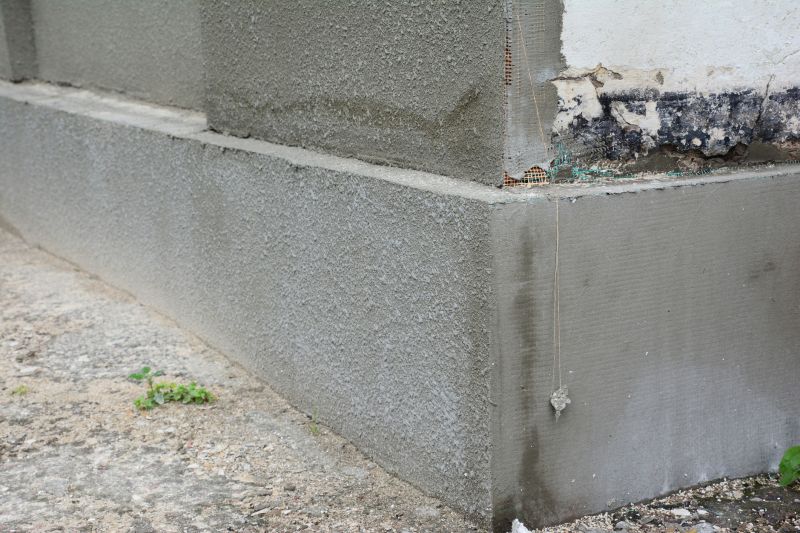 Foundation repairs are a critical aspect of maintaining the structural integrity of a building, especially in regions like Tuscaloosa, AL, where soil conditions can vary significantly. When addressing foundation issues, selecting the appropriate products is essential to ensure safety and stability. A wide array of solutions exists, ranging from simple crack fillers to complex underpinning systems, each designed to address different types of foundation problems. Proper diagnosis by a professional can help determine the most suitable products for specific needs.
Top Overall Option
Hydraulic Pile Support System
A hydraulic pile support system offers a versatile and adjustable method for stabilizing and leveling foundations. It typically involves the use of hydraulic jacks and support piers that can be precisely positioned to lift and support the foundation. This system is suitable for a variety of foundation types and can be adjusted over time to accommodate shifting soil or structural changes. Its adaptability and strength make it a reliable choice for many foundation repair scenarios.
Types of Products For Foundation Repairs
Hydraulic Piers
Hydraulic piers are installed beneath the foundation to provide deep support and stabilization, often used in cases of significant settling or sinking.
Helical Piles
Helical piles are screw-in supports that can be used to lift and stabilize foundations, especially effective in challenging soil conditions.
Polyurethane Foam Injections
Polyurethane foam is injected into cracks and voids to seal leaks and lift minor foundation sections, suitable for small repairs.
Carbon Fiber Reinforcements
Carbon fiber strips or staples are used to reinforce cracked concrete and prevent further deterioration.
Mudjacking and Slab Jacking
This method involves injecting a slurry beneath concrete slabs to lift and level uneven surfaces caused by soil settlement.
Steel Push Piers
Steel push piers are driven into the ground to support and stabilize sinking foundations, providing a firm base.
Underpinning Systems
Underpinning involves extending the foundation to more stable soil layers, often using various support products.
Epoxy Crack Fillers
Epoxy resins are used to fill and seal cracks in concrete foundations, restoring strength and preventing water intrusion.
Soil Stabilizers
These products improve soil stability around the foundation, reducing shifting and settlement.
Drainage Systems
Proper drainage solutions help prevent water accumulation around the foundation, minimizing soil erosion and damage.
Concrete Patching Compounds
Used for repairing surface cracks and minor surface damage, these compounds restore the integrity of concrete slabs.
Vapor Barriers
Vapor barriers control moisture levels beneath the foundation, helping prevent expansion and contraction issues.
Anchor Bolts and Plates
Anchors are used to secure structures to the foundation, providing additional stability for walls and supports.
Grout and Sealants
These materials are used to fill gaps and seal joints, preventing water infiltration and further deterioration.
Popular Choices
Widely used for their adaptability and strength, hydraulic piers are a common choice for foundation stabilization projects.
Helical piles are favored for their ease of installation and ability to operate in difficult soil conditions.
Popular for minor repairs, foam injections can quickly seal cracks and lift small sections of the foundation.
Carbon fiber products are commonly used to reinforce cracked concrete and prevent further damage.
This cost-effective method is frequently chosen for leveling uneven concrete slabs caused by soil settlement.
Steel push piers are a trusted solution for supporting and stabilizing sinking foundations.
Underpinning remains a common approach for extending and strengthening foundations that have shifted.
Epoxy fillers are frequently used for sealing cracks and restoring the strength of concrete surfaces.
Effective drainage systems are essential in preventing water-related foundation issues and are often part of repair plans.
Many foundation repair products are designed to stabilize and level uneven foundations, prevent further shifting, and restore the integrity of the structure. These include hydraulic piers, helical piles, carbon fiber reinforcements, and polyurethane foam injections. Each product type has its specific applications, advantages, and limitations. For example, hydraulic piers are often used for deep stabilization, while polyurethane foam injections are effective for sealing cracks and minor repairs.
When considering foundation repair products, it is important to evaluate factors such as the severity of the damage, the underlying soil conditions, and the structural requirements of the building. Proper installation and quality materials are crucial for long-lasting results. Consulting with experienced professionals can help ensure that the selected products are appropriate for the specific situation, ultimately providing a safer and more durable foundation.
Overall, investing in the right foundation repair products can help mitigate future issues and protect property value. While DIY solutions might be tempting for minor repairs, complex foundation problems should always be handled by qualified specialists using certified products. This approach ensures compliance with local building codes and standards, especially in areas like Tuscaloosa, AL, where soil and weather conditions can influence foundation stability.
Key Buying Considerations
- Assess the severity and type of foundation damage before choosing products.
- Consult with a foundation specialist to determine the most suitable repair methods and products.
- Ensure products meet local building codes and standards for safety and compliance.
- Consider the soil conditions and environmental factors specific to Tuscaloosa, AL.
- Select products made from durable, high-quality materials for long-term effectiveness.
- Evaluate the ease of installation and whether professional assistance is required.
- Check for warranties or guarantees that protect your investment.
- Determine the compatibility of repair products with the existing foundation materials.
- Factor in the cost and potential additional expenses for comprehensive repairs.
- Look for products with proven track records in similar soil and structural conditions.
- Ensure proper ventilation and moisture control measures are in place when using certain products.
- Review user feedback and expert recommendations for the products under consideration.
- Prioritize safety features and proper handling instructions during installation.
- Consider the timeline for repairs and how different products may affect project duration.
- Be aware of potential future maintenance needs associated with selected products.